
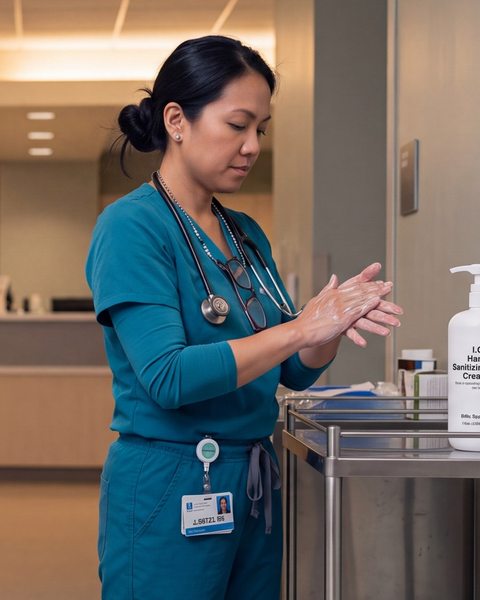
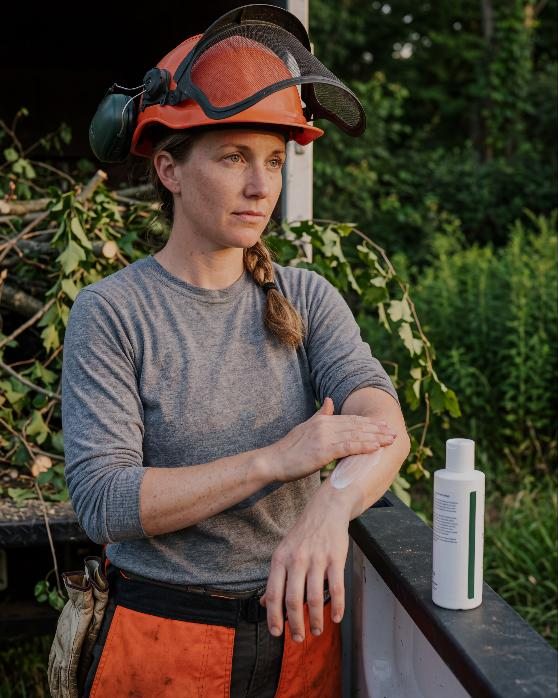



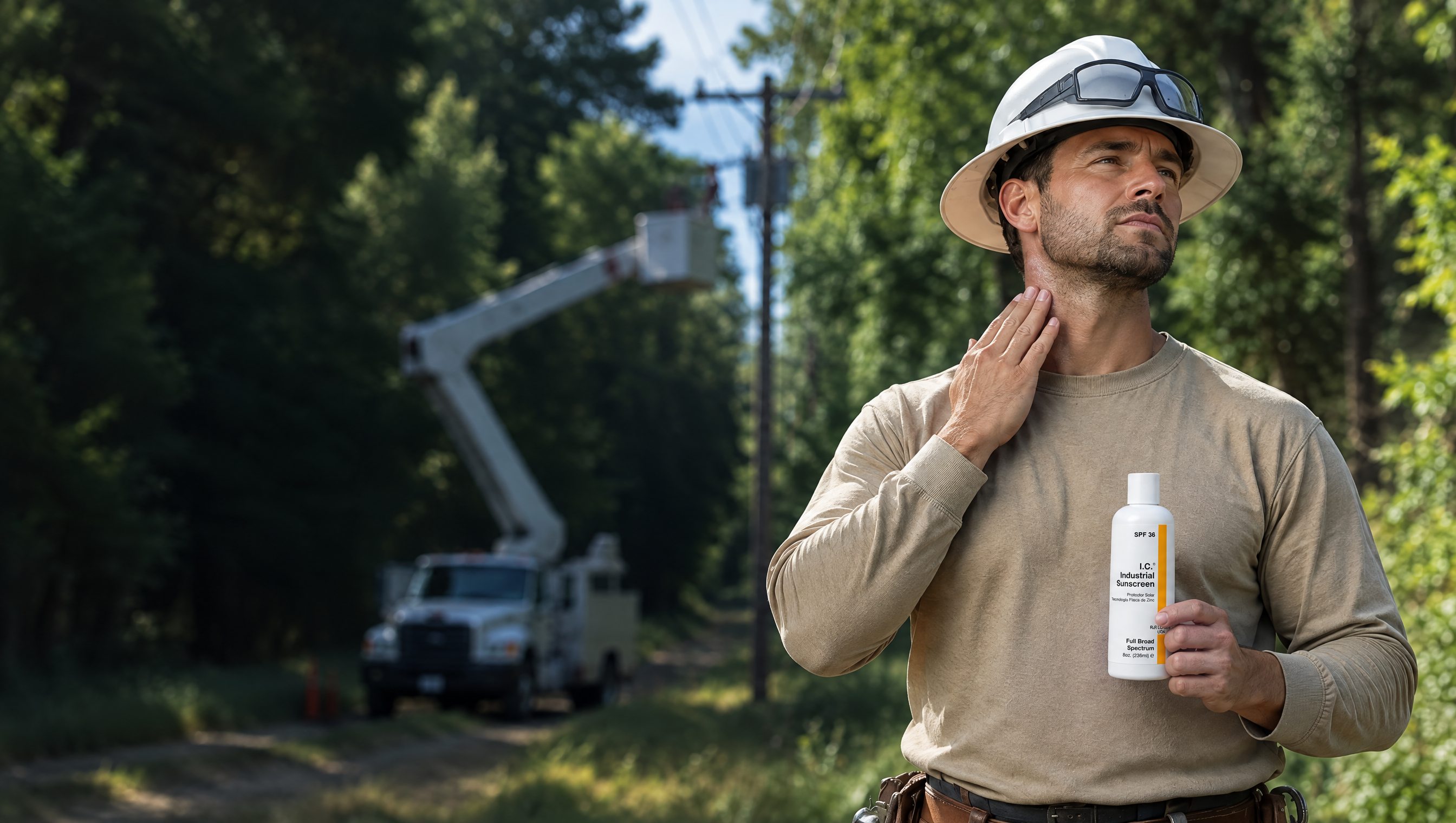
Utility & Electrical worker using R&R Lotion skin care

Utility & Electrical

Skin care for linemen and utility crews

Sun on the pole, ticks in the right-of-way, poison ivy at the base of the structure. You can’t gear down every time your skin needs something, and you can’t put anything on that hurts your gloves or your FR. We make sun and bug protection tested to ASTM D120 / F2621, plus poison ivy protection for the right-of-way.

R&R LOTIONUSA

What a shift does to your skin

The hazards beyond the live wire

PPE leaves no room for error. Whatever goes on your skin has to work with your rubber gloves and your FR clothing, not against them.

Problem 01

All-day sun, top of the pole

Linemen work hours in direct sun with nowhere to hide. Ears, neck and the back of the hands burn first. Sunscreen has to stay put through sweat and still work with your gear.

UV, PPE and sunscreen →
Problem 02

Ticks and mosquitoes in the right-of-way

Brush, tall grass and standing water mean bites and the diseases that come with them. Many crews skip repellent to protect their gloves and FR. That’s the wrong trade.

Insect repellent for linemen →
Problem 03

Poison ivy at the base of the pole

Urushiol rides on gloves, tools and sleeves and gets on everything you touch. One bad exposure can keep a lineman off the crew for days.

Managing poison ivy exposure →

The lineman kit

Sunscreen, bug repellent and poison ivy protection for linemen

Made to work with your gear. The sunscreen and repellent are tested to ASTM D120 / F2621 for lineman rubber gloves and FR clothing.
All sun & bug protection →
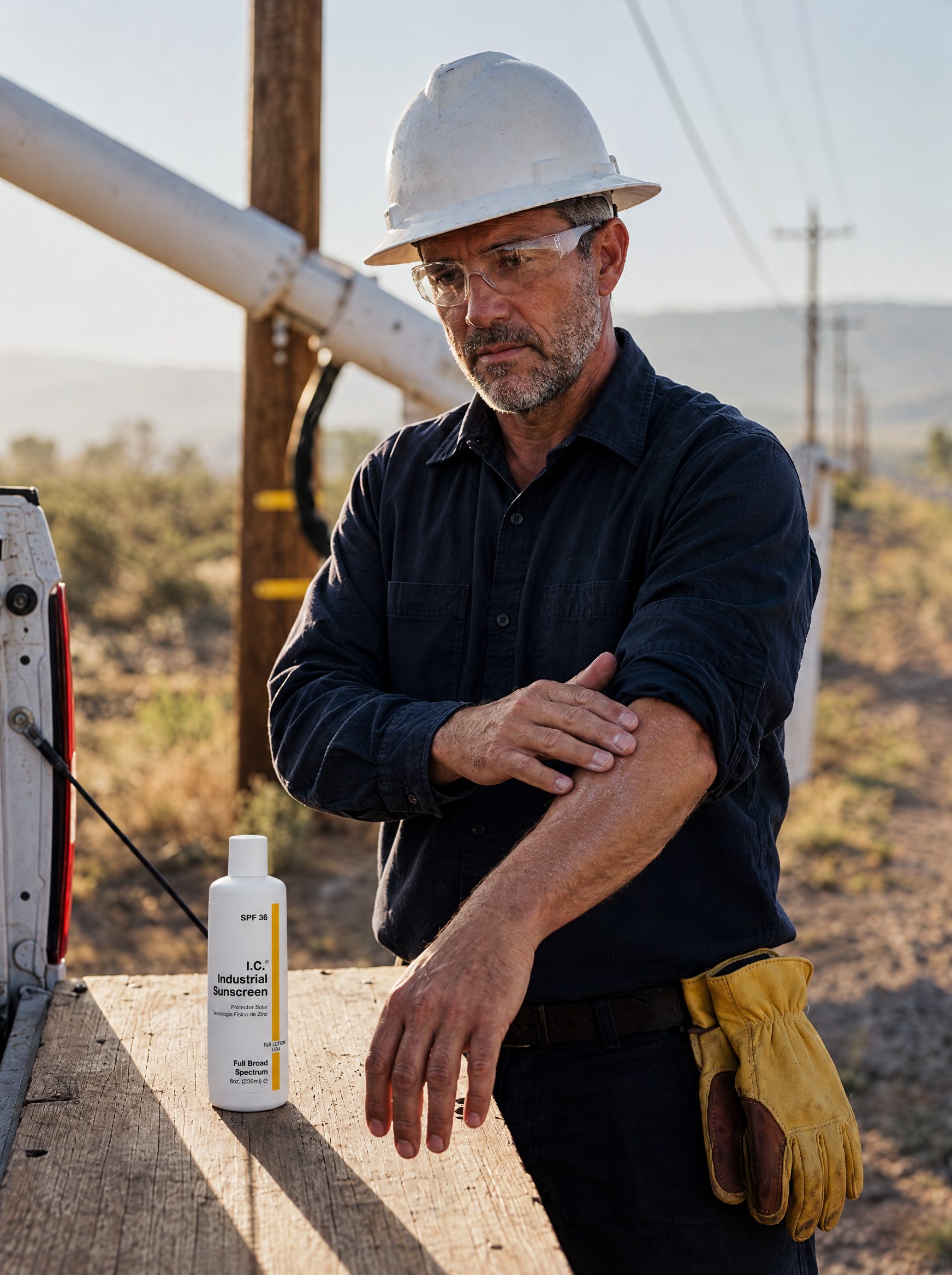
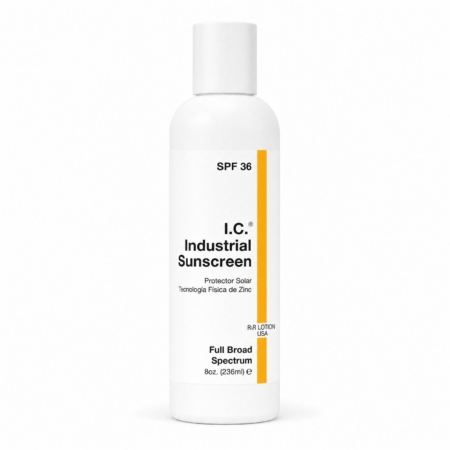
I.C. Industrial Sunscreen SPF 36
ProtectI.C. Industrial Sunscreen SPF 36I.C. Industrial Sunscreen SPF 36. Hybrid mineral and organic filters, full broad spectrum, 80-minute sweat and water resistant. Tested to ASTM D120 / F2621.From $8.15 ★★★★★ (8) 4.3 on Amazon · 269 ratingsAdd to cart · $19.508 oz. · other sizes
IC Insect Repellent Lotion
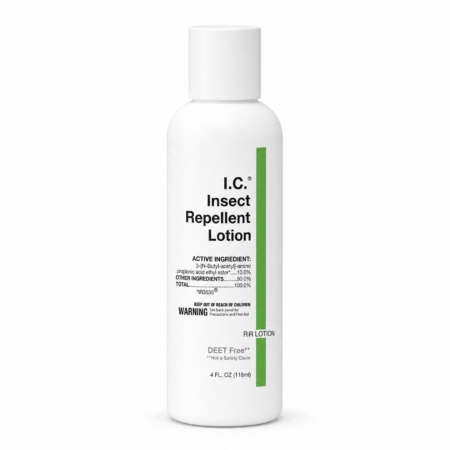
RepelIC Insect Repellent LotionEPA-registered IR3535 lotion. Up to 8 hours against mosquitoes and ticks. Tested to ASTM D120 / F2621.From $8.99 4.2 on Amazon · 76 ratingsAdd to cart · $15.958 oz. · other sizes
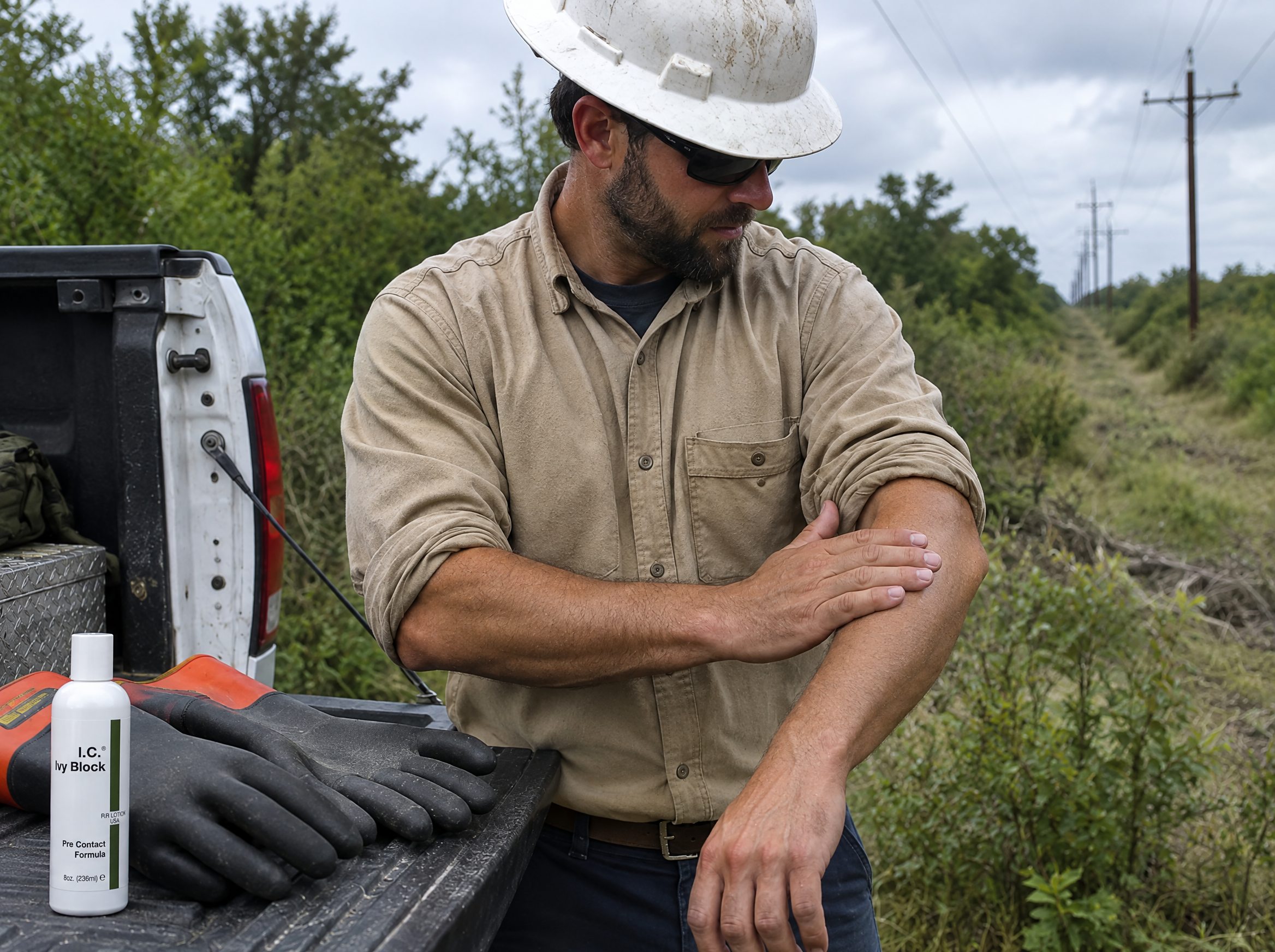
IC Ivy Block
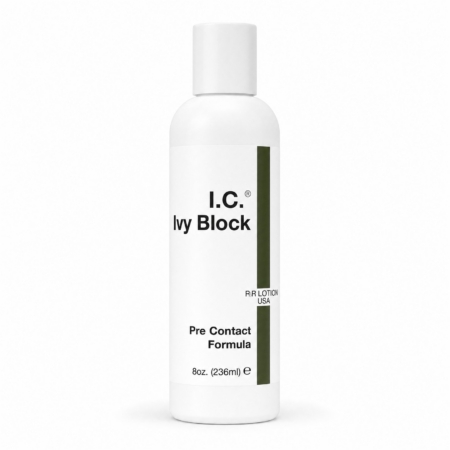
BlockIC Ivy BlockBentonite clay barrier applied before exposure. Absorbs up to 8 times its weight in urushiol oil.From $8.49 4.5 on Amazon · 37 ratingsAdd to cart · $17.108 oz. · other sizes
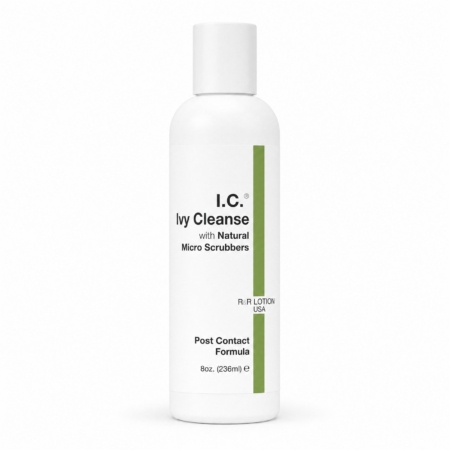
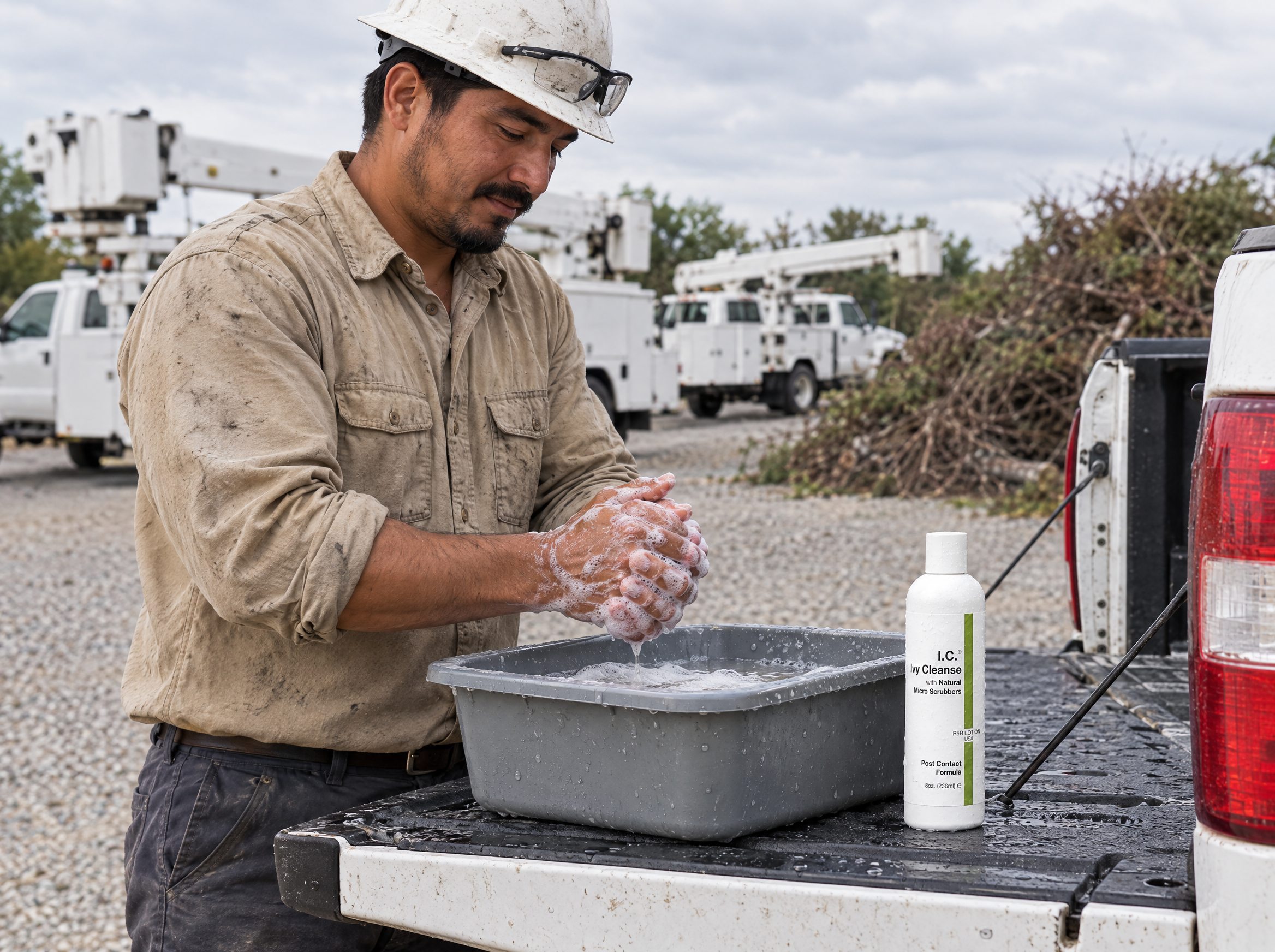
IC Ivy Cleanse
CleanseIC Ivy CleanseWashes away urushiol, the oil from poison ivy, oak and sumac, after the job.From $8.49Add to cart · $11.008 oz. · other sizes

Also for the crew: I.C. Insect Repellent Spray · I.C. Sunscreen Lip Balm · I.C. Ivy Relief · I.C. Antibacterial Waterless Hand Cleaner

Utility & Electrical worker using R&R Lotion skin care

For safety managers & buyers

Build it into your crew’s PPE program

Sun, bugs and poison ivy are part of the job. I.C. Industrial Sunscreen and I.C. Insect Repellent are tested to ASTM D120 / F2621, and our products are field-tested by outdoor crews. Tell us about your crews and we’ll get samples on the trucks.

R&R LOTIONUSA
SPF 36Full broad spectrum, 80-minute sweat and water resistant
ASTM D120Sunscreen and repellent tested to ASTM D120 / F2621
8 hrsEPA-registered IR3535 protection against mosquitoes and ticks
8xI.C. Ivy Block absorbs up to 8 times its weight in urushiol oil

On the job

Made for every shift

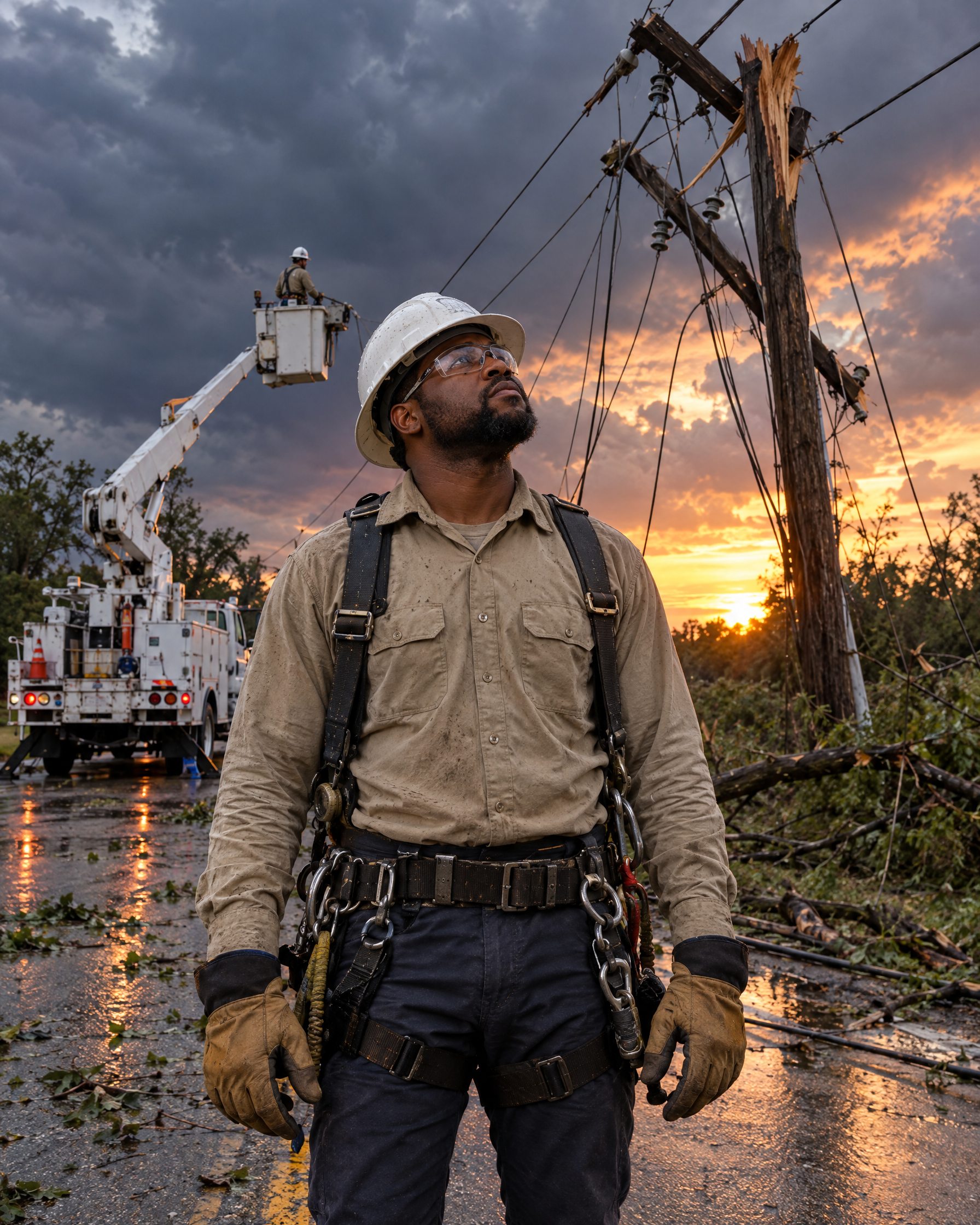
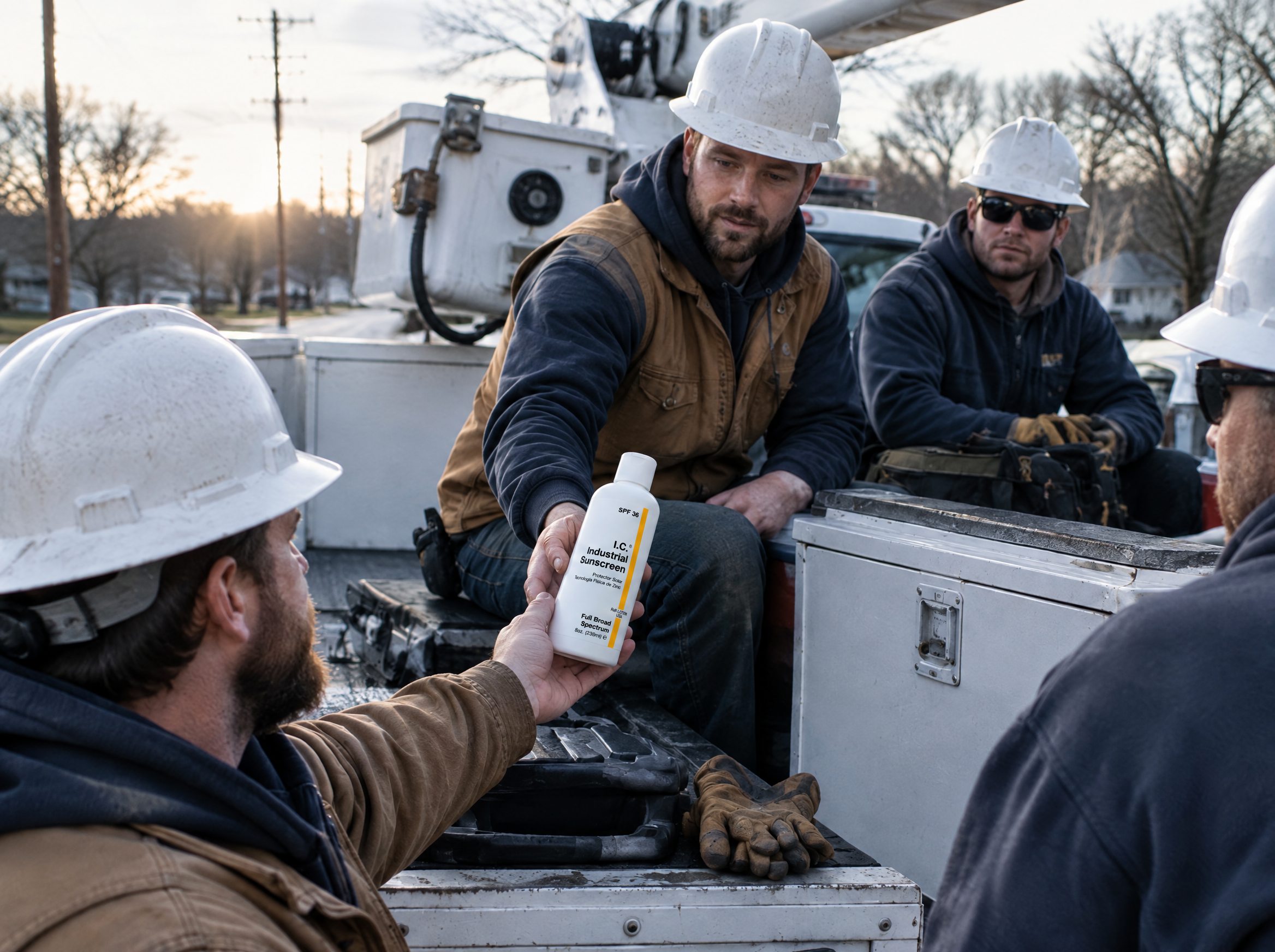
Lineman holding R&R Lotion during storm restoration
Storm restoration
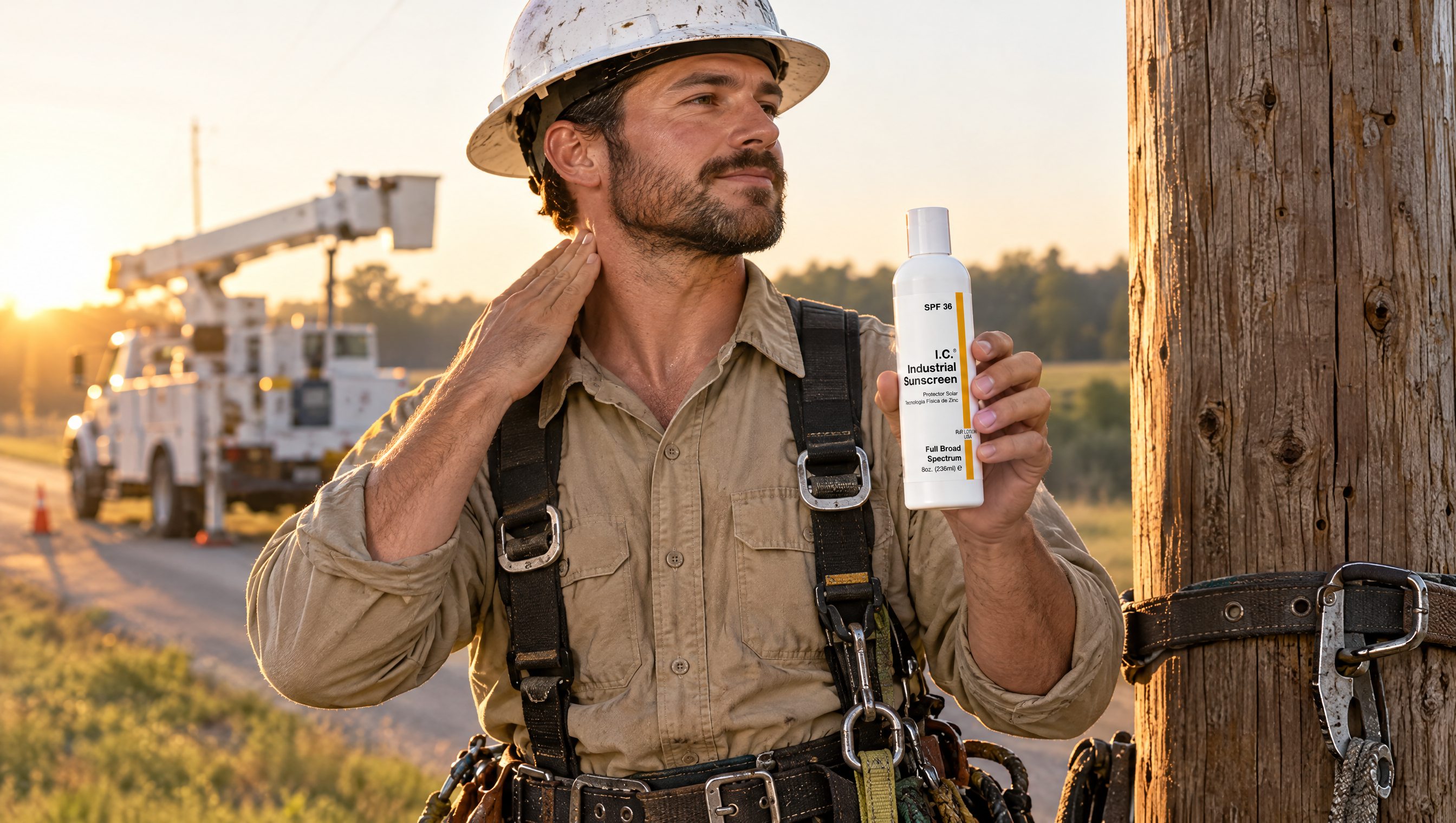
Utility & Electrical worker using R&R Lotion skin care (Before the climb)
Before the climb
Utility & Electrical worker using R&R Lotion skin care (Tailgate tailboard)
Tailgate tailboard
Utility & Electrical worker using R&R Lotion skin care (Right-of-way)
Right-of-way
Utility & Electrical worker using R&R Lotion skin care (End of shift)
End of shift

Field Notes

What line work does to your skin

Five short animated chapters: the work, the exposure, what happens in the skin, why we built the product, and how to use it on the job.

Education, not medical advice. Your PPE program and each product’s label come first. If a spot on your skin changes, a rash spreads, or you feel sick after a tick bite, see a clinician.

CaptionA day on the line: hours in direct sun, brush and tall grass in the right-of-way, and poison ivy at the base of the structure.

01 · The work

Sun overhead, brush underfoot

Linemen spend hours in direct sun on poles and in buckets, with nowhere to hide. Then the job takes you through brush, tall grass and right-of-way where ticks wait and poison ivy climbs the pole.

And you can’t gear down every time your skin needs something. Whatever goes on your skin has to work with your rubber gloves and your FR clothing, not against them.

UV is strongest from 10 a.m. to 4 p.m., which is the middle of a crew’s day.R&R Lotion, Skin Cancer: Causes, Prevention and Treatment white paper (2024), Skin Cancer Prevention

CaptionTwo kinds of UV reach the ground. UVB, the shorter waves, acts on the epidermis and is the main cause of sunburn. UVA, the longer waves, reaches the deeper dermis.

02 · The exposure

Two kinds of UV, two depths

  • UVB
  • UVA
  • Skin cells

Sunlight carries two kinds of UV that reach the ground. UVB, 280 to 320 nanometers, works on the epidermis, the outer living layer of skin, and is the main cause of sunburn. UVA, 320 to 400 nanometers, reaches the deep layers of the dermis and drives wrinkles and sunspots.

The brush brings two more exposures: ticks that climb grass and brush and wait for a host, and urushiol, the oil in poison ivy, which rides on gloves, tools and sleeves until it reaches skin.

UV rays can get through clouds and even glass, so overcast days and the truck cab still count.R&R Lotion, Skin Cancer white paper (2024), Importance of Sunscreen and Types of UV Radiation

CaptionUV reaches the DNA inside skin cells. Each exposure can damage it, and damage that isn’t repaired can lead to skin cancer.

03 · What develops

Sunburn now, DNA damage later

  • UV
  • DNA
  • Damage

Sunburn is the part you feel. Underneath, UV damages the DNA in skin cells. That damage builds up over a career, raises the risk of skin cancer and speeds up skin aging.

  • Basal cell carcinoma: the most common type; often a pearly or translucent bump on sun-exposed skin.
  • Squamous cell carcinoma: scaly red patches, open sores or wart-like growths.
  • Melanoma: less common and more dangerous. Watch moles for the ABCDEs: Asymmetry, Border, Color, Diameter, Evolving.

The brush adds its own: tick bites, which can carry Lyme disease, and poison ivy rash, an allergic reaction to urushiol.

Check your skin every month, and see a dermatologist if a spot changes.

Basal cell carcinoma is the most common skin cancer in the U.S., at about 3.6 million cases a year.R&R Lotion, Skin Cancer white paper (2024), Types of Skin Cancer

CaptionA thin, broad-spectrum sunscreen layer on exposed skin helps protect it from UVA and UVB. The sunscreen was tested with lineman rubber gloves (ASTM D120) and FR clothing (ASTM F2621).

04 · Why we built it

Built around your PPE

Most sunscreens and repellents weren’t made for someone in rubber gloves and FR clothing. Sprays can be flammable, and some ingredients are hard on gear. So we make lotions, and we had them tested with lineman PPE.

I.C. Industrial Sunscreen SPF 36

A hybrid: non-nano zinc oxide plus organic UV filters. Full broad spectrum SPF 36, 80-minute sweat and water resistant, with no avobenzone. Rubs in clear. Tested with lineman rubber gloves (ASTM D120) and FR clothing (ASTM F2621).

See the sunscreen →

I.C. Insect Repellent Lotion

An EPA-registered IR3535 repellent. Repels mosquitoes and ticks for up to 8 hours. Odorless and non-greasy. Tested with lineman rubber gloves (ASTM D120) and FR clothing (ASTM F2621).

See the repellent →

I.C. Ivy Block

A bentonite clay barrier you put on before the brush. Absorbs up to 8 times its weight in urushiol oil. Label actives: zinc acetate 0.1% and dimethicone 3.0%.

See Ivy Block →

I.C. Ivy Cleanse

A skin cleanser formulated to wash away urushiol after the job. Use it with cool water.

See Ivy Cleanse →

Used as directed with other sun protection measures, a broad spectrum SPF 15+ sunscreen helps reduce the risk of skin cancer and early skin aging caused by the sun.The FDA’s broad-spectrum sunscreen statement (2011 labeling rule)

CaptionFour moments in a line day: the tailboard, every two hours, coming out of the brush, and the end of the day.

05 · On the job

When to put it on

  1. 1
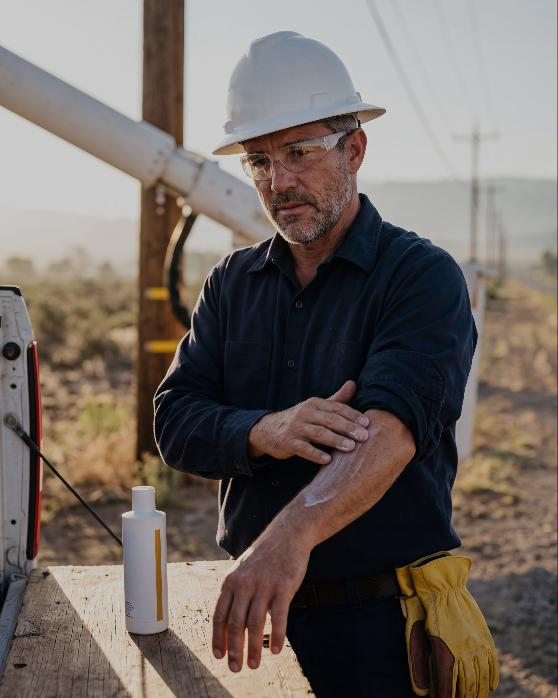
    At the tailboardSunscreen on all exposed skin: ears, neck, face and the backs of your hands. Repellent on exposed skin. Ivy Block before you walk the brush.
  2. 2
    Every 2 hoursReapply sunscreen at least every 2 hours, and after 80 minutes of sweating. Repellent lasts up to 8 hours; reapply as its label directs.
  3. 3
    Out of the brushIf you’ve been in poison ivy, wash with I.C. Ivy Cleanse and cool water as soon as you can. Keep gloved hands off your face.
  4. 4
    End of the dayCheck for ticks: knees, groin, armpits, behind the ears and scalp. Wash clothing and tools that touched ivy separately.

Follow each product’s label directions and your PPE program.

Sources
  1. R&R Lotion, Skin Cancer: Causes, Prevention and Treatment, white paper (2024).
  2. R&R Lotion, Vector Borne Diseases: Causes, Prevention and Treatment, white paper (ticks, tick checks).
  3. R&R Lotion, Guide to Poisonous Plants, white paper (urushiol, first aid).
  4. I.C. Industrial Sunscreen SPF 36 Drug Facts (actives: zinc oxide 7.02%, octinoxate 6.00%, benzophenone-3 4.70%, octisalate 4.00%); ELTEK International Labs lineman’s glove test (ASTM D120); Kinectrics / ArcWear arc and flame tests on FR fabric (ASTM F1959, D6413), supporting ASTM F2621.
  5. I.C. Insect Repellent Lotion, EPA Reg. No. 70759-2-91651; ASTM D120 report on file; Kinectrics / ArcWear ASTM F1959 arc test on FR fabric (2015).
  6. I.C. Ivy Block Drug Facts (zinc acetate 0.1%, dimethicone 3.0%) and product data.
  7. The overlooked dangers of linemen work (2023).
  8. Protecting outdoor workers from UVR exposure (2023).
  9. Lyme disease prevention strategies for outdoor workers (2023).

Join the crew

A community of the trades

Pick your work. We’ll send what’s useful for your job: plain-English guides, seasonal reminders and invites to short webinars for crews and safety managers.

Coming soon

Be the lineman your crew listens to

We’re building an ambassador program for the people crews already listen to.

  • Your own code to share with your crew
  • A seat at our webinars, with early product news
  • Samples for the trailer, the unit or the shop

Join the crew and you’ll be the first to hear when it opens.

Field notes for your trade

Articles and webinar invites matched to the work you do. A few emails a month.

Questions linemen ask

Skin care for linemen: FAQ

Will your sunscreen or repellent damage my rubber gloves or FR clothing?
I.C. Industrial Sunscreen and I.C. Insect Repellent are tested to ASTM D120 / F2621 for lineman rubber gloves and FR clothing.
What’s in the insect repellent?
I.C. Insect Repellent uses EPA-registered IR3535 and protects against mosquitoes and ticks for up to 8 hours. It’s odorless and non-greasy.
How long does the sunscreen last when I’m sweating?
I.C. Industrial Sunscreen SPF 36 is full broad spectrum and 80-minute sweat and water resistant. It rubs in clear with no white residue and is fragrance free.
How does I.C. Ivy Block work?
Put it on before you go into the brush. It dries quickly and forms a barrier that absorbs up to 8 times its weight in urushiol oil. After the job, wash with I.C. Ivy Cleanse to remove the oil.
Can our utility buy through GSA or get samples first?
Yes. R&R Lotion is on GSA MAS contract 47QSMS24D0078, and we send free samples to safety managers and crew leads.

Skin care that cares about the worker and about the work

Try it on your crew first.

Free samples for safety managers and crew leads. Buy direct, through your distributor or on GSA.
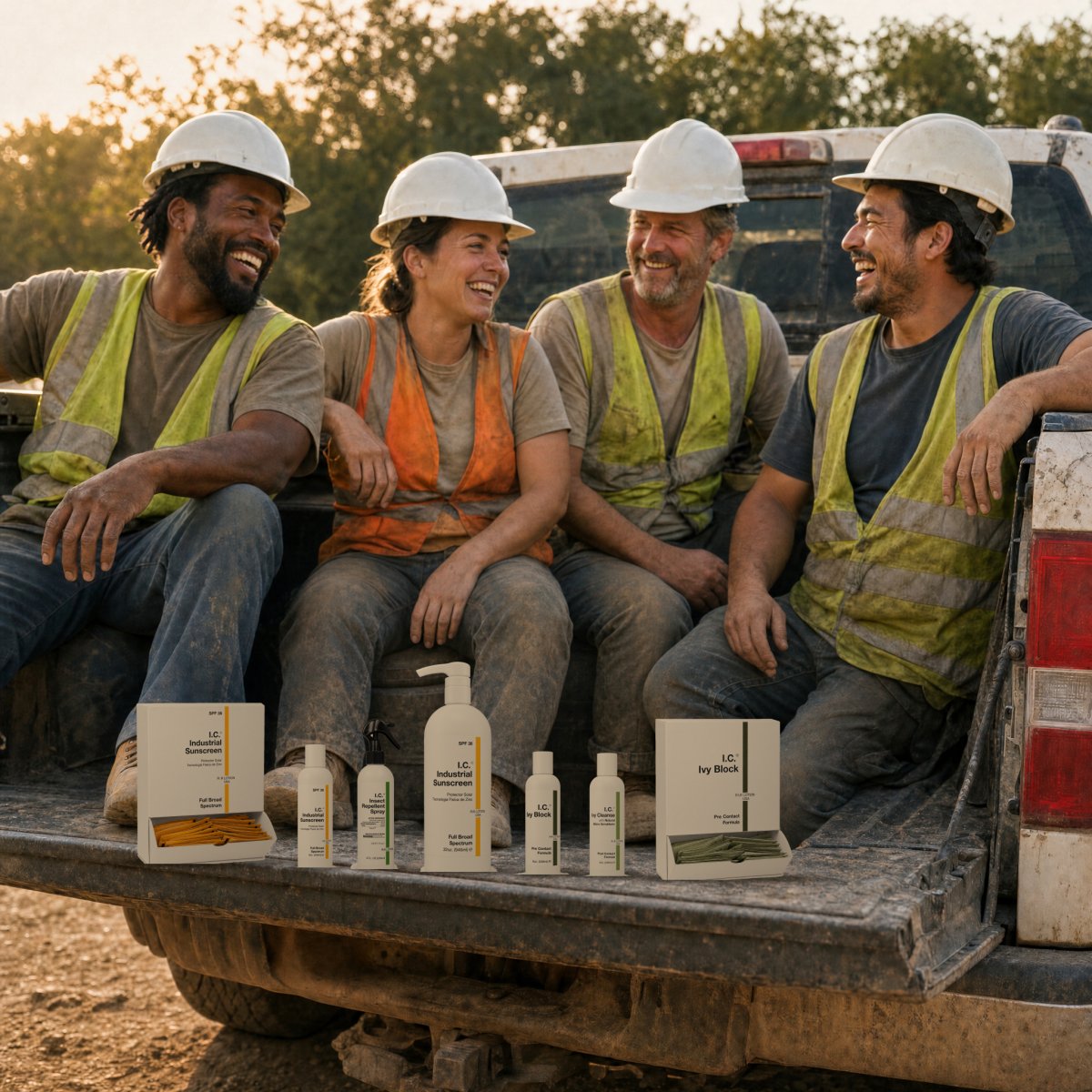
Four smiling crew members on a pickup tailgate with I.C. Industrial Sunscreen, Insect Repellent Spray, Ivy Block and Ivy Cleanse, a 32 oz sunscreen pump and two foil pack boxes