




Poison Ivy, Oak & Sumac
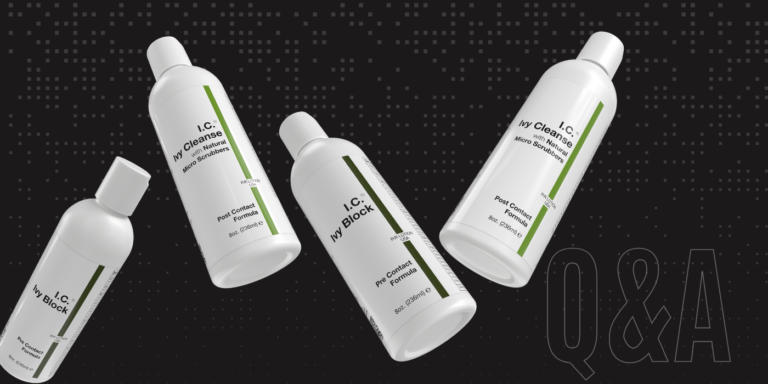
How to Use I.C. Ivy Block and I.C. Ivy Cleanse: A Comprehensive Q&A Guide
How to Use I.C. Ivy Block and I.C. Ivy Cleanse: A Comprehensive Q&A Guide By: Richard Rich Q1: What is I.C. Ivy Block and…
Read article → Shop the full professional line →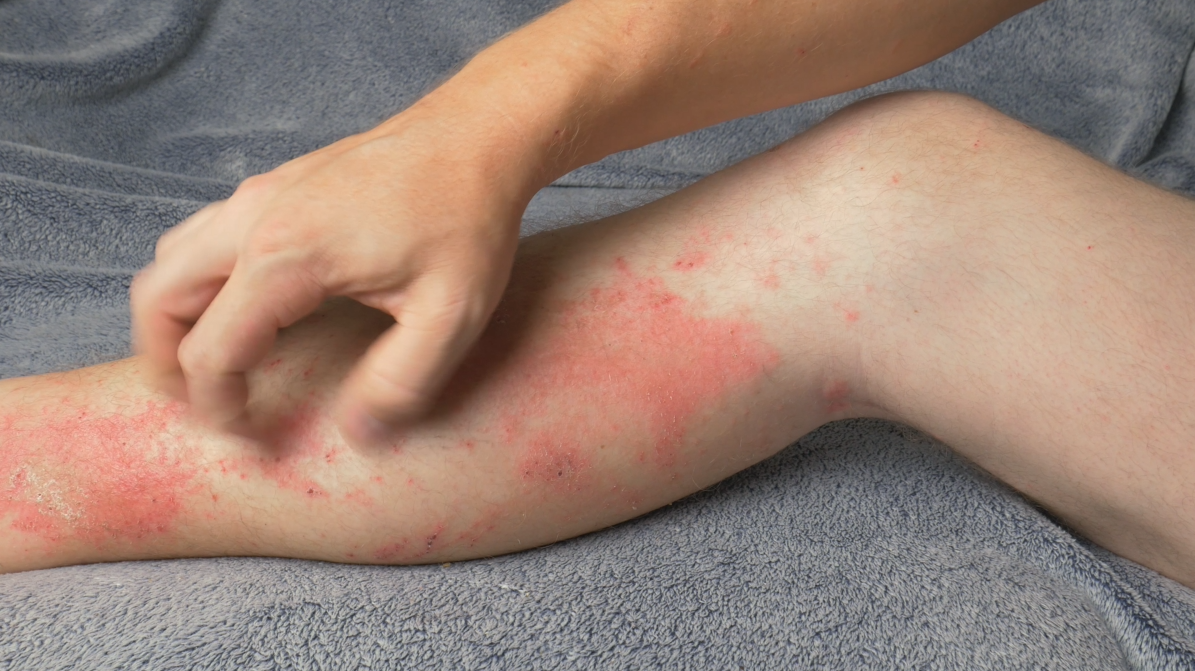
By: Richard Rich
Introduction:
Poison ivy, poison oak, and poison sumac plants are infamous for causing uncomfortable and persistent rashes. Many myths and misconceptions surround these plants, which can lead to unnecessary fear or improper treatment. In this article, we will debunk common myths and provide accurate information about these plants, helping you better understand their properties and how to handle exposure.
Myth 1: The rash is contagious
Fact: The rash caused by poison ivy, poison oak, and poison sumac is not contagious. The rash is a result of an allergic reaction to urushiol, an oil found in these plants. Once the oil has been washed off the skin, it cannot spread the rash to other people or other parts of the body.
Myth 2: Dead plants are harmless
Fact: Urushiol can remain active on dead plants for years. Even dried leaves and branches can still cause a rash if touched. Always use caution when handling any plant material that may have come into contact with poison ivy, poison oak, or poison sumac.
Myth 3: Only the leaves are toxic
Fact: All parts of the poison ivy, poison oak, and poison sumac plants contain urushiol, including the stems, roots, and berries. Any contact with these parts of the plant can cause a rash.
Myth 4: Scratching the rash will spread it
Fact: While scratching a rash caused by poison ivy, poison oak, or poison sumac won’t spread the rash, it can cause infection and prolong the healing process. It’s best to avoid scratching and treat the rash with over-the-counter creams or medications as recommended by a healthcare professional.
Myth 5: You can’t get a rash if you don’t touch the plant directly
Fact: Urushiol can be transferred indirectly through contact with contaminated objects such as clothing, shoes, tools, or pet fur. If you suspect that an item has come into contact with one of these plants, wash it thoroughly with soap and water to prevent potential exposure.
Myth 6: Only sensitive people are affected
Fact: While some individuals are more sensitive to urushiol and may experience more severe reactions, almost everyone is susceptible to developing a rash upon exposure. In fact, sensitivity to urushiol can develop over time, with repeated exposures potentially increasing the severity of reactions.
Myth 7: Immediate reactions indicate a severe allergy
Fact: The timing of a reaction can vary from person to person. Some individuals may experience symptoms within hours, while others might not develop a rash for several days. The timing of the reaction does not necessarily indicate the severity of the allergy.
Myth 8: Poison ivy, oak, and sumac plants are easy to identify
Fact: These plants can be difficult to identify, as they can take on various forms and appearances depending on the region and time of year. Familiarizing yourself with their general characteristics and consulting regional identification guides can help you recognize these plants more accurately.
Myth 9: Burning poison ivy, oak, and sumac plants will destroy the urushiol
Fact: Burning these plants is not only ineffective in destroying urushiol, but it can also be extremely dangerous. Urushiol can become airborne in the smoke, potentially leading to severe respiratory issues if inhaled. If you need to remove these plants, it’s best to use physical removal methods or approved herbicides, taking care to protect your skin and eyes.
Myth 10: Home remedies are just as effective as over-the-counter treatments
Fact: While some home remedies may provide temporary relief from itching and irritation, they may not be as effective as over-the-counter treatments specifically designed to target poison ivy, poison oak, and poison sumac rashes. Consult a healthcare professional for guidance on appropriate treatment options to manage your symptoms effectively.
Conclusion:
Understanding the facts about poison ivy, poison oak, and poison sumac plants can help you avoid unnecessary fear and ensure proper treatment if you’re exposed. By debunking these myths, we hope to equip you with the knowledge to safely enjoy your time outdoors and minimize the risks associated with these plants.
Keep reading
How to Use I.C. Ivy Block and I.C. Ivy Cleanse: A Comprehensive Q&A Guide By: Richard Rich Q1: What is I.C. Ivy Block and…
Read article →Is Cold or Hot Water More Effective for Washing Off Poison Ivy? Somebody on your crew brushes a vine, gets home, and runs the…
Read article →The Persistent Threat of Urushiol Oil: Protecting Outdoor Workers from Poison Ivy, Oak, and Sumac By: Richard Rich Urushiol oil is the compound in…
Read article →
Skin care that cares about the worker and about the work
Free samples for crews, safety managers and buyers. Buy direct, through your distributor or on GSA.

Welcome to the crew
Join our email list for your code, plus safety guides, new products and seasonal reminders. A few emails a month.
First order of $40 or more, one per customer. A few small sizes are excluded. Can't be combined with other codes. By signing up you agree to get marketing emails from R&R Lotion. Unsubscribe any time. Privacy Policy
You're on the list
Use it at checkout on your first order of $40 or more. We also sent a confirmation link to your inbox. Click it and we'll email the code so you have it for later.
Start shopping