

Workplace Safety & Compliance
What Goes in the Truck Kit: Bites, Stings and Rash on a Tree Crew
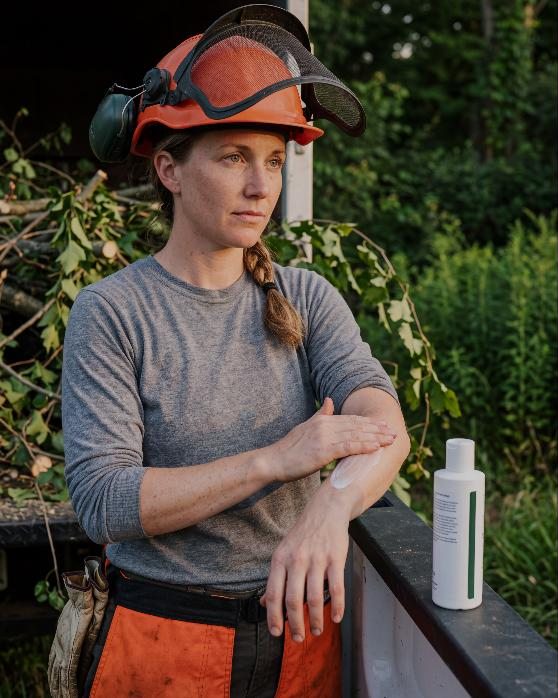
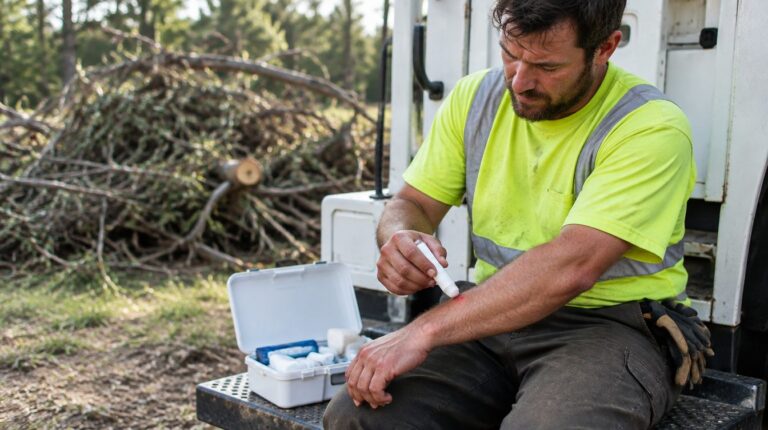
Stings, ticks, mosquitoes and poison ivy rash are part of tree work. What to keep in the truck kit and how to handle each…
Read article → Shop the full professional line →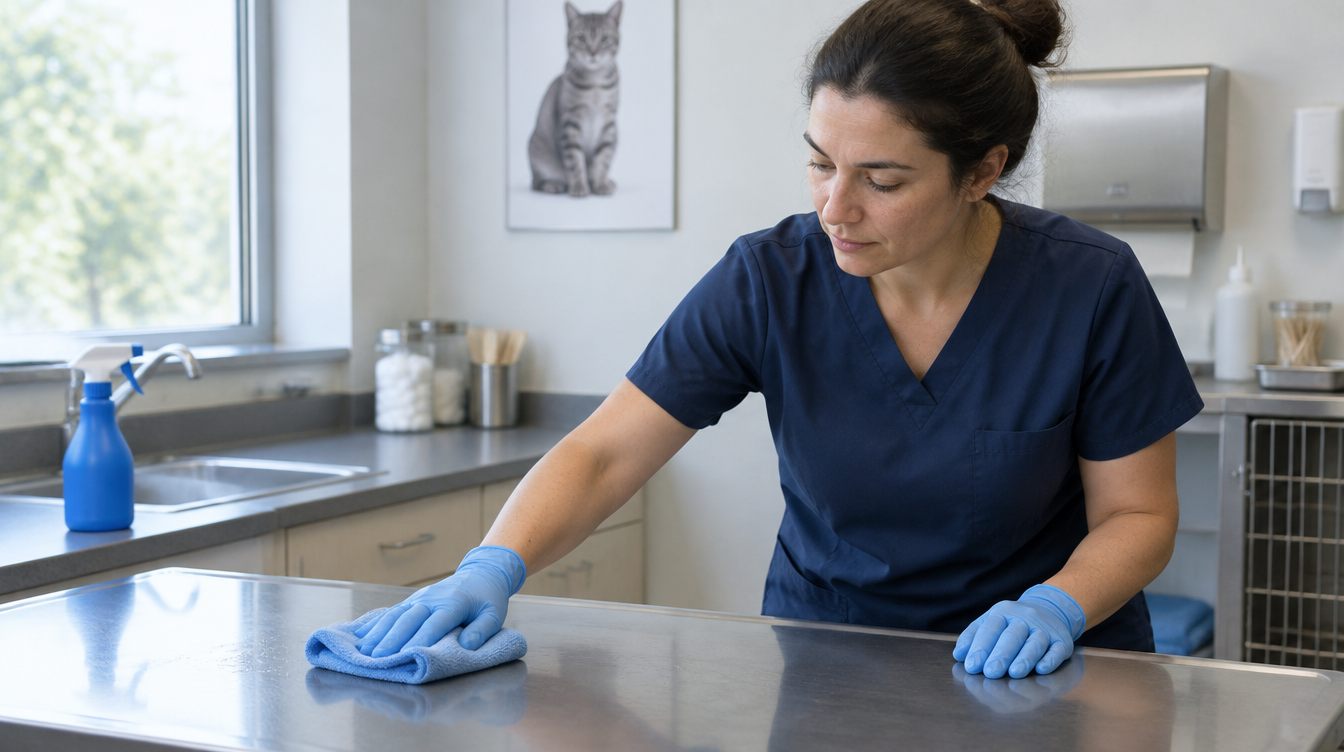
The exam table sees more traffic than anything else in the clinic. A shedding husky, then a cat with an upper respiratory infection, then a puppy on its first visit. In between, someone grabs a spray bottle and a towel and gives it a wipe. The question is what is in that bottle, and whether it is doing the job you think it is.
This post is about the difference between cleaning and disinfecting, where each one belongs in a vet clinic, and where a general cleaner like ours fits. Short version up front: I.C. Workstation Cleaner is a cleaner. It is not a registered disinfectant. For the between-patient step on an exam table, you need an EPA-registered disinfectant.
The EPA puts it simply. Cleaning physically removes dirt and most germs from a surface. Disinfecting uses a registered product to kill germs on the surface. Cleaning always comes first.
The NASPHV Compendium of Veterinary Standard Precautions explains why. It says equipment and surfaces must be cleaned with water and detergent before they are disinfected, because organic material cuts how well most disinfectants work. Hair, saliva, blood and feces get in the way. A disinfectant sprayed on a dirty table is fighting through all of it.
The EPA’s six steps for disinfectant use are a good poster for any clinic:
Contact time is the step that gets skipped. If the label says the surface has to stay wet for several minutes, a spray and an instant wipe-down does not meet it. The EPA says if the surface starts drying before the time is up, apply more.
Do the same for the scale, the door handle and the faucet. They get touched as often as the table does.
Not every surface in a clinic needs a disinfectant every time. Lots of them just need to be clean: front-desk glass, monitors, keyboards, the client counter, the pharmacy shelf, light switches in the office. That is where a general-purpose cleaner earns its spot.
I.C. Workstation Cleaner is a low-ionic, general-purpose hard surface cleaner. It removes dust, grease, grime and fingerprints from non-porous surfaces like laminate, metal, glass and plastic. It is streak-free and non-abrasive. It is alcohol-free, ammonia-free, odorless and biodegradable, so it is easy to live with at the front desk all day.
Again, so nobody gets it wrong on a busy Saturday: it does not disinfect. Use it to clean. Use your EPA-registered disinfectant where your protocol calls for disinfection. If you use it as a pre-clean before a disinfectant, check your disinfectant’s label first.
For screens and keyboards, spray the cleaner on a cloth, not on the device. Wipe in one direction so the dirt ends up in the cloth, not pushed around.
A dirty towel spreads more than it removes. Use disposable towels for anything that touched an animal or body fluids. For the front desk and electronics, a good microfiber cloth picks up dust and smudges without scratching.
The I.C. Antibacterial Microfiber Cloth removes dirt, grease and smudges from displays, tablets, phones and workstations. It is treated with AEGIS antimicrobial technology. That treatment protects the cloth itself against odor- and stain-causing bacteria. It does not disinfect the surface you wipe.
Keep separate cloths for the front office and the clinical side, and launder them often.
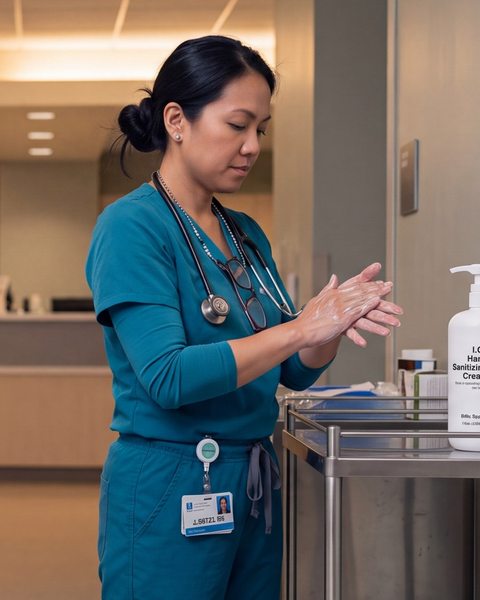
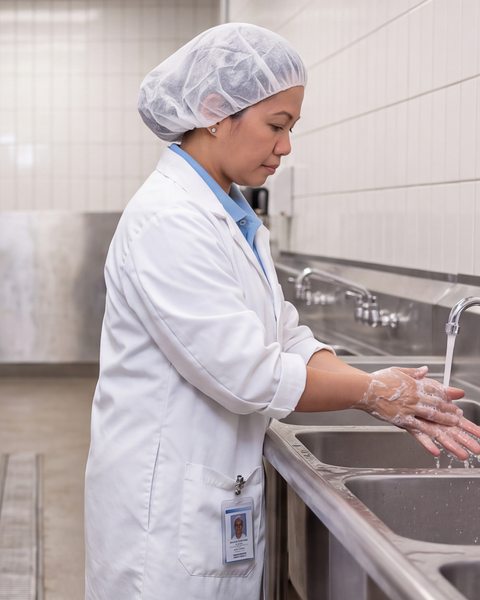
The Compendium says staff should clean their hands after cleaning and before starting the next task. Gloves come off, hands get washed or rubbed, then the next patient. For the hand side of the routine, see our vet clinic hand care page.
No. It is a general-purpose cleaner, not an EPA-registered disinfectant. Use it to clean. Use an EPA-registered disinfectant, by its label, for the between-patient disinfecting step.
Because dirt gets in the way. The NASPHV Compendium says organic material reduces how well most disinfectants work. Clean first so the disinfectant can reach the surface.
No. The antimicrobial treatment protects the cloth itself. Disinfecting the surface takes a registered disinfectant used by its label.
Keep reading
Stings, ticks, mosquitoes and poison ivy rash are part of tree work. What to keep in the truck kit and how to handle each…
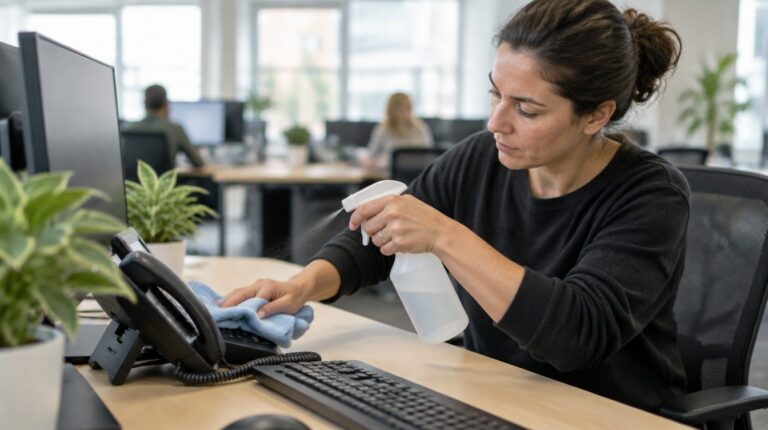
Read article →How to clean an office keyboard, phone and hot desk the right way, how often, and when cleaning isn't enough and you need to…
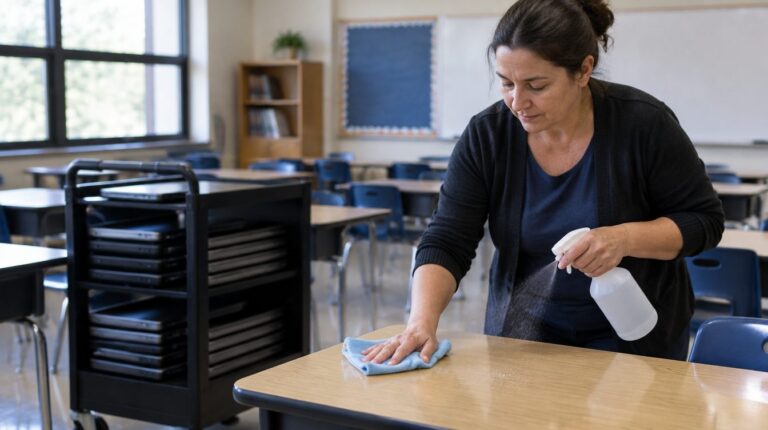
Read article →Cleaning and disinfecting are two jobs. A quick daily classroom cleaning routine for desks and shared devices, and when to disinfect.
Read article →
Skin care that cares about the worker and about the work
Free samples for crews, safety managers and buyers. Buy direct, through your distributor or on GSA.

Welcome to the crew
Join our email list for your code, plus safety guides, new products and seasonal reminders. A few emails a month.
First order of $40 or more, one per customer. A few small sizes are excluded. Can't be combined with other codes. By signing up you agree to get marketing emails from R&R Lotion. Unsubscribe any time. Privacy Policy
You're on the list
Use it at checkout on your first order of $40 or more. We also sent a confirmation link to your inbox. Click it and we'll email the code so you have it for later.
Start shopping