



Workplace Safety & Compliance
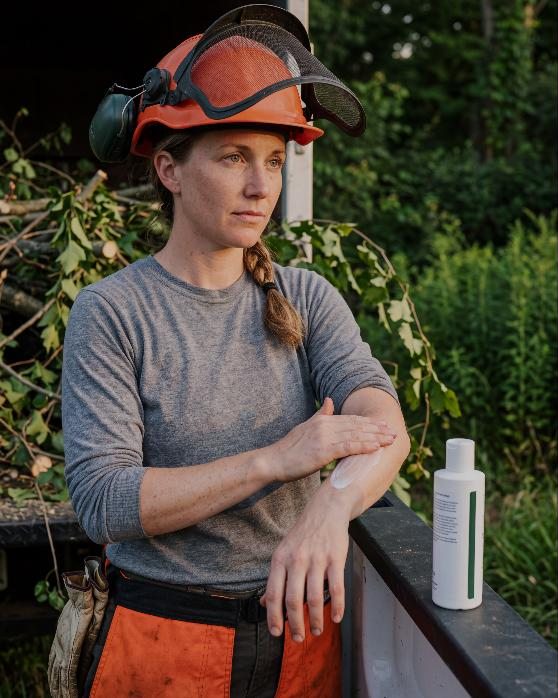
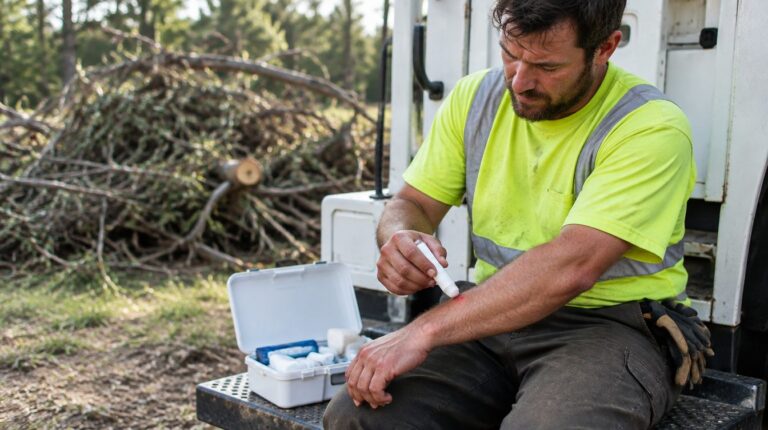
What Goes in the Truck Kit: Bites, Stings and Rash on a Tree Crew
Stings, ticks, mosquitoes and poison ivy rash are part of tree work. What to keep in the truck kit and how to handle each…
Read article → Shop the full professional line →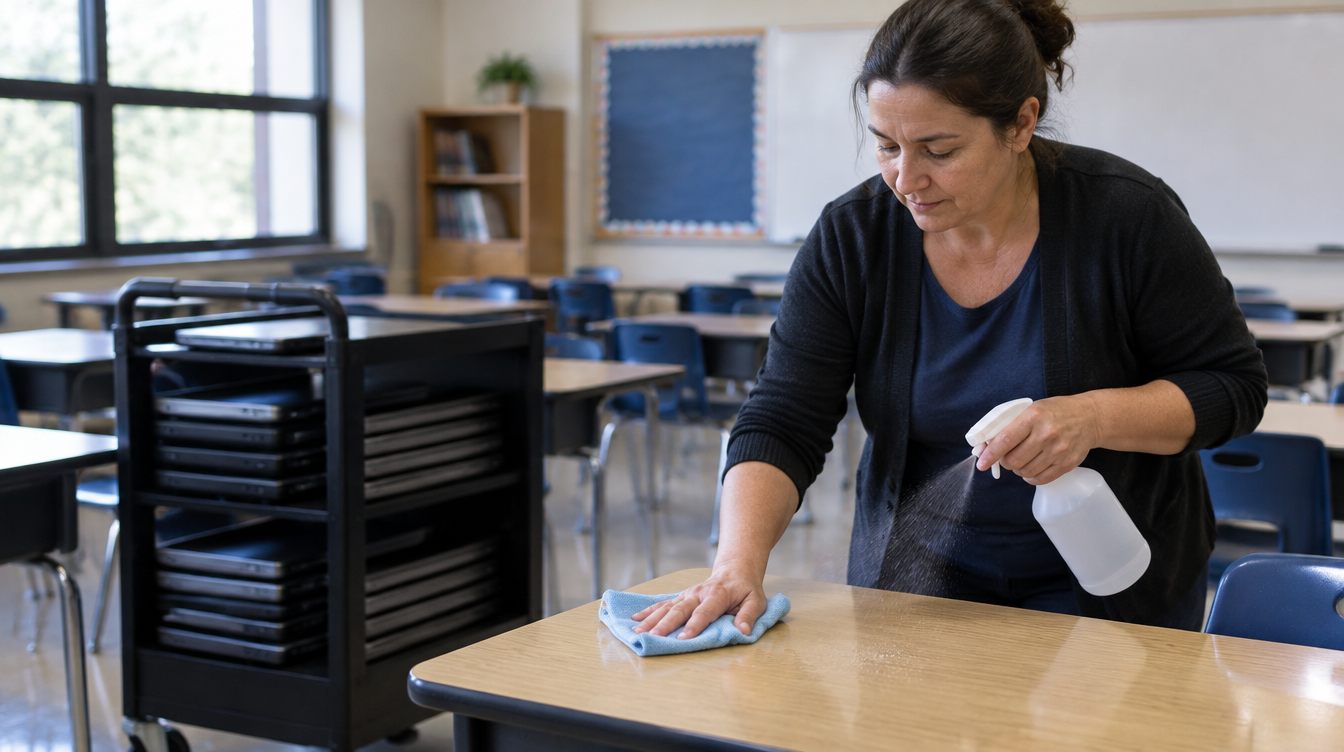
Thirty kids. Thirty desks. One class set of Chromebooks, a bin of shared markers and a door handle everybody grabs on the way in from recess. In flu season, a classroom is a busy place for germs.
Teachers and custodians don’t have time for a deep clean every hour. They need a routine that’s quick, gets done every day, and uses the right product for the right job. Here’s a classroom cleaning routine based on CDC’s school cleaning guidance.
This is the part that trips people up. CDC treats them as separate steps:
For everyday use, CDC says to clean high-touch surfaces regularly and clean other surfaces when they look dirty. Disinfect when someone has clearly been sick in the space, for example after a child vomits, or when your district’s plan calls for it during an outbreak.
Start with the high-touch list. In most classrooms that’s:
For this daily cleaning, I.C. Workstation Cleaner is a mild, low-ionic, general-purpose cleaner for desks, tables, chairs and other non-porous surfaces. It’s alcohol-free, ammonia-free, odorless and non-flammable, and it wipes off streak-free. It’s a cleaner, not a registered disinfectant, so it belongs in the cleaning step.
Pair it with a good cloth. The I.C. Antibacterial Microfiber Cloth is treated with AEGIS antimicrobial technology, which resists the growth of bacteria, mold and mildew on the cloth itself between washes. That keeps the cloth from getting sour. It doesn’t disinfect the surface you wipe.
When a student vomits, has diarrhea in the room, or your district says it’s outbreak time, cleaning isn’t enough on its own. CDC’s school flu guidance describes the order:
Follow your custodial team’s product and procedure. Some disinfectants need gloves or ventilation, and some aren’t meant for use around kids. Never mix bleach with ammonia or other cleaners. It can make dangerous fumes.
Clean desks help, but hands are what carry germs from the desk to the face. Get kids washing with soap and water before lunch, after the bathroom and after recess. CDC says hand sanitizer may not work as well when hands are visibly dirty, so soap and water come first when kids come in muddy.
For more on how a school day affects hands and what helps, see our education page and the education Field Notes.
A routine only works if everyone knows their part. A simple split that works in a lot of buildings:
Write it on one page and post it by the supply closet.
No. It’s a general-purpose cleaner that removes dirt, dust, fingerprints and grime from hard surfaces. When you need to disinfect, use an EPA-registered disinfectant after cleaning, and follow its label.
No. The AEGIS treatment protects the cloth itself from the growth of bacteria, mold and mildew. It doesn’t disinfect the surfaces you wipe.
CDC says to clean high-touch surfaces regularly. Once a day is a good baseline. Clean more often when surfaces look dirty, and disinfect after someone has been sick in the room.
Keep reading
Stings, ticks, mosquitoes and poison ivy rash are part of tree work. What to keep in the truck kit and how to handle each…
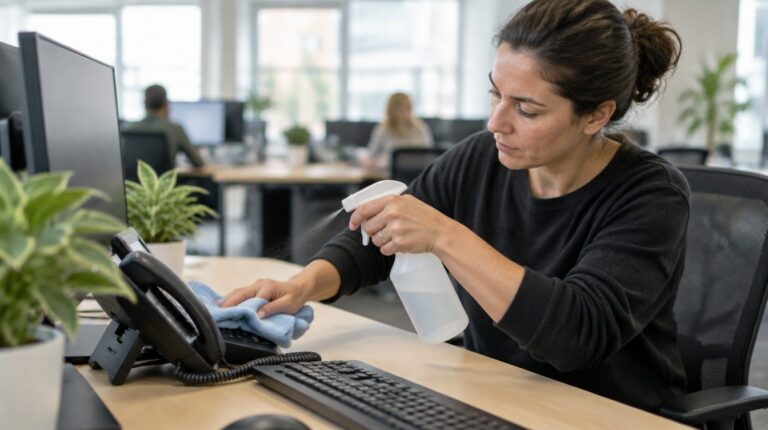
Read article →How to clean an office keyboard, phone and hot desk the right way, how often, and when cleaning isn't enough and you need to…
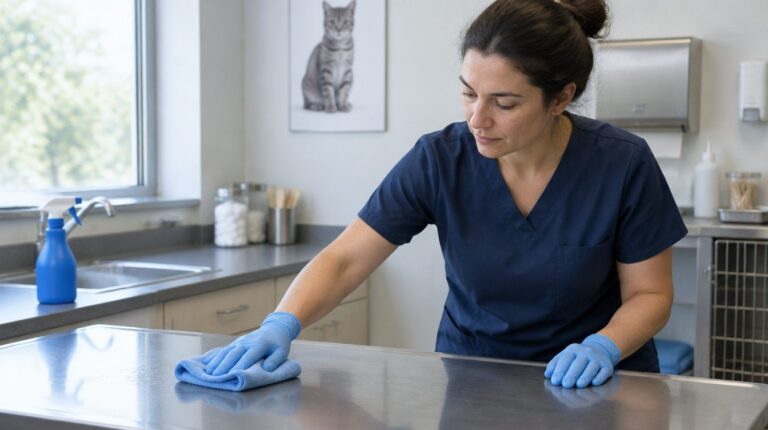
Read article →Cleaning and disinfecting are two jobs. A between-patient exam table routine for vet clinics, and where a general cleaner does and doesn't fit.
Read article →
Skin care that cares about the worker and about the work
Free samples for crews, safety managers and buyers. Buy direct, through your distributor or on GSA.

Welcome to the crew
Join our email list for your code, plus safety guides, new products and seasonal reminders. A few emails a month.
First order of $40 or more, one per customer. A few small sizes are excluded. Can't be combined with other codes. By signing up you agree to get marketing emails from R&R Lotion. Unsubscribe any time. Privacy Policy
You're on the list
Use it at checkout on your first order of $40 or more. We also sent a confirmation link to your inbox. Click it and we'll email the code so you have it for later.
Start shopping