




Hand Hygiene & Sanitizers
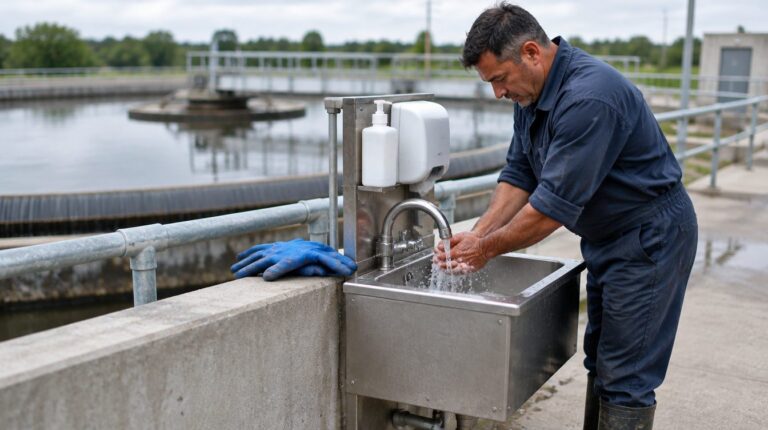
Sewage on Your Hands: CDC Hand Hygiene Steps for Wastewater Operators
The CDC's hand hygiene steps for workers who handle sewage, and how to follow them at the plant and out at lift stations with…
Read article → Shop the full professional line →
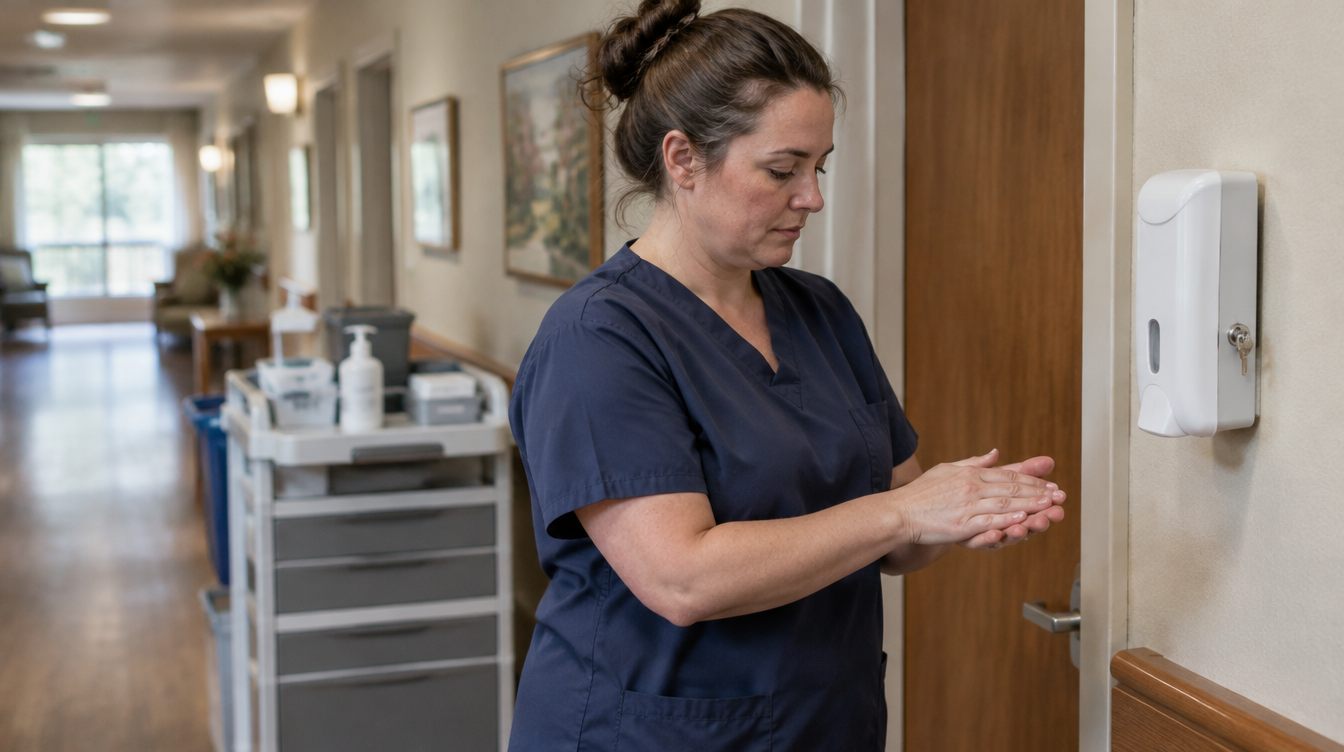
Every CNA and nurse in memory care has a story. A resident found holding a sanitizer bottle from the hallway. A pump of gel licked off a palm. A cup filled at a wall dispenser and carried back to a room. Most of the time nothing happens. Sometimes it’s an emergency.
Hand sanitizer is one of the most important tools in a nursing home. It’s also a real risk for residents who don’t understand what it is. This post covers the hand sanitizer dementia risk in long-term care, what the agencies say, and practical steps for a floor where some residents may try to drink it.
CDC recommends alcohol sanitizers with at least 60% alcohol, so that’s what most units stock. A 61% alcohol gel is 122 proof, stronger than most liquor. FDA warns that swallowing even a small amount of alcohol hand sanitizer can cause alcohol poisoning in children, and that poisoning can cause serious illness or death. Frail older adults can be just as vulnerable.
People living with dementia may not recognize sanitizer for what it is. A clear gel in a pump bottle can look like a drink, and a scented gel can smell like food.
The danger is real. An analysis of coroners’ reports published in BMJ Evidence-Based Medicine found deaths linked to swallowing alcohol-based hand sanitizer, including an older patient with confusion who swallowed foam from a dispenser attached to his hospital bed. The author called for better protection for children, people with dementia or confusion, and people with mental health conditions, including lockable dispensers.
This is important to get right. For healthcare workers, CDC says alcohol-based hand sanitizer is preferred over soap and water in most clinical situations, unless hands are visibly soiled. Alcohol rubs are fast and effective, and they’re a core part of infection control.
So the goal isn’t to pull alcohol rub off the unit. Your infection preventionist sets the policy. The goal is to keep staff hand hygiene easy while keeping sanitizer out of residents’ hands.
1. Know who is at risk. Flag residents in the care plan who have tried to eat or drink non-food items, who wander, or who go through drawers and carts. Share it at shift huddle.
2. Put sanitizer where residents can’t get it.
3. Never let residents fill cups or containers from a dispenser, and don’t leave sanitizer in a resident’s room unless the care plan says it’s safe.
4. Watch the scent. FDA warns about sanitizers with food fragrances or food-like packaging. Pick unscented products for units where residents might drink them.
5. Supervise resident hand hygiene. Help residents wash with soap and water before meals and after the bathroom. If a resident uses sanitizer, a staff member should apply it and stay until it’s rubbed in and dry.
Some facilities add an alcohol-free sanitizer for specific spots, like a memory care unit, alongside the alcohol rub their policy calls for. If yours does, check that it fits your infection control policy first.
I.C. Hand Sanitizing Cream uses benzalkonium chloride 0.13% instead of alcohol. It kills 99.99% of germs. Dimethicone 1.5% with shea and sunflower butters helps keep staff hands moisturized while they sanitize. It’s fragrance-free and dermatologist tested: a 50-subject patch test with zero reactions (ALS / BioScreen, Study 22-522A, 2022).
I.C. Alcohol-Free Foaming Hand Sanitizer uses benzalkonium chloride 0.10%. It kills 99.99% of germs in as little as 15 seconds, and it’s fragrance free and non-flammable.
Be clear about one thing: these products contain no alcohol, but that does not make them safe to swallow. No hand sanitizer is meant to be swallowed. Every rule above, locked dispensers, no loose bottles, supervision, applies to alcohol-free products too.
For more on hand care and hand hygiene for long-term care teams, visit our nursing homes page.
No. Alcohol-free means there’s no alcohol in it. It doesn’t mean it’s safe to drink. Keep every sanitizer out of reach of residents with dementia and call Poison Control at 1-800-222-1222 if anyone swallows any.
That’s a decision for your infection preventionist. CDC prefers alcohol-based hand sanitizer for healthcare workers in most clinical situations. The safer fix is usually locked dispensers, staff-carried bottles and supervision.
Locked or tamper-resistant wall dispensers placed where staff need them. Avoid loose bottles in common areas and resident rooms.
Keep reading
The CDC's hand hygiene steps for workers who handle sewage, and how to follow them at the plant and out at lift stations with…
Read article →A hand hygiene routine for vets, techs and kennel staff built on the NASPHV Compendium: when to wash, gloves, rubs and keeping skin intact.
Read article →Soap and water come first for most of the school day. When kids should wash, when sanitizer is fine, and how to make both…
Read article →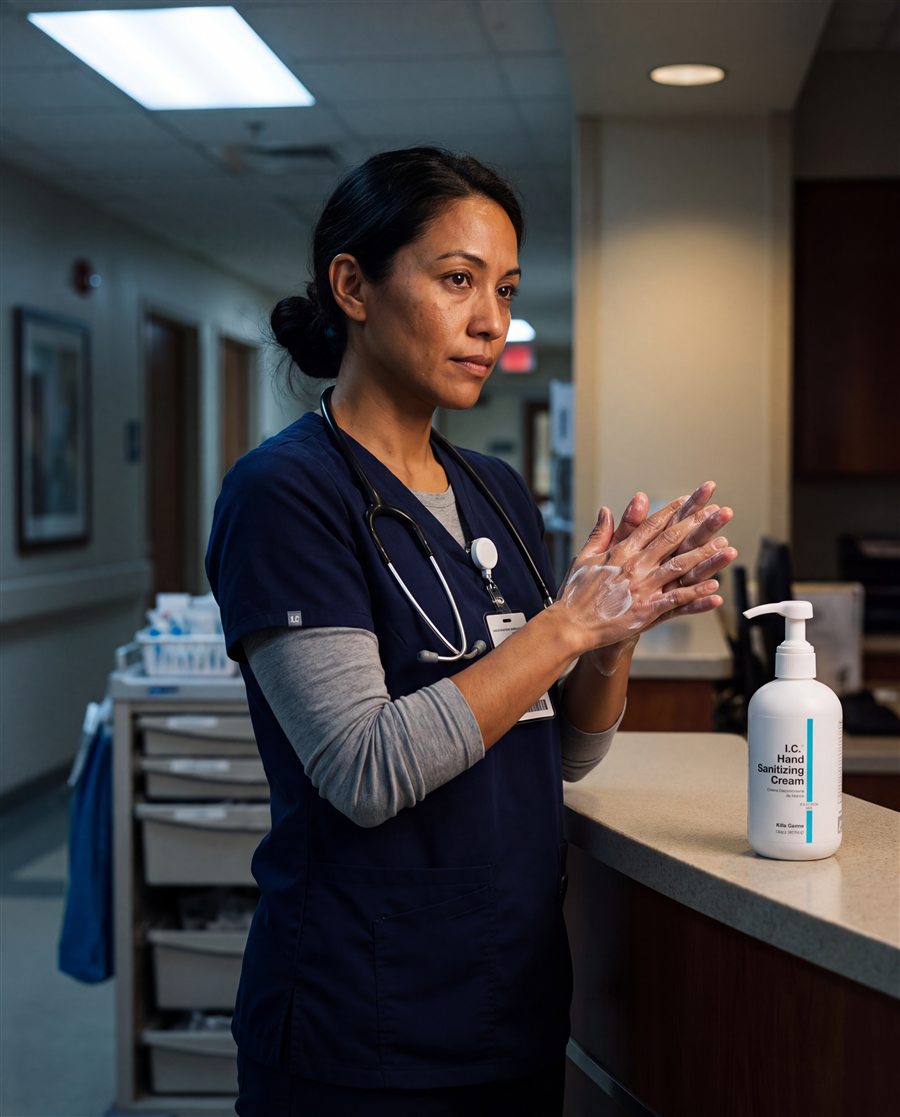
Skin care that cares about the worker and about the work
Free samples for crews, safety managers and buyers. Buy direct, through your distributor or on GSA.
Each tier you reach gives you more. Open one to see what it unlocks.
See what it takes to reach each tier.
Highest tier
Each tier you reach gives you more. Open one to see what it unlocks.
See what it takes to reach each tier.
Highest tier

Welcome to the crew
Join our email list for your code, plus safety guides, new products and seasonal reminders. A few emails a month.
First order of $40 or more, one per customer. A few small sizes are excluded. Can't be combined with other codes. By signing up you agree to get marketing emails from R&R Lotion. Unsubscribe any time. Privacy Policy
You're on the list
Use it at checkout on your first order of $40 or more. We also sent a confirmation link to your inbox. Click it and we'll email the code so you have it for later.
Start shopping