On the corner of most teachers’ desks there’s a big bottle of alcohol hand sanitizer, the kind that came in a back-to-school supply bin. Three feet away there’s a sink with a soap pump that ran dry in October. Choosing hand sanitizer for schools comes down to the gap between those two things, and it matters more in November than any other month, because that’s when the coughing starts.
How much does handwashing change sick days?
More than most of us would guess. In a CDC-published trial across 60 elementary schools in Cairo, students in the schools that built in handwashing twice a day had 50% fewer absences from lab-confirmed flu than students in schools that didn’t, along with fewer absences from flu-like illness, diarrhea and pinkeye.
The kids in that study washed with soap and water, but the lesson isn’t about soap. What moved the attendance numbers was a routine kids actually did, every day, at the same times.
Why is a classroom so hard on hand hygiene?
Twenty-five kids share desks, door handles, glue sticks, tablets and one pencil sharpener for six hours. Most of them wipe their noses on the back of a hand. The sink is often down the hall, and a teacher who sends every kid to wash before lunch loses ten minutes of a forty-minute block.
So the sanitizer bottle on the desk becomes the whole plan. And alcohol gel brings two problems a school can’t ignore. The first is that kids swallow it. In 2023, America’s poison control centers handled about 16,000 cases of kids 12 and under getting into hand sanitizer. The second is storage, because a cabinet full of alcohol gel is a cabinet full of something that burns.
Build the routine before you buy the product
Here’s a five-point plan a school nurse or facilities lead can run this season, whatever sanitizer you use.
- Set the times, not just the supplies. Clean hands on arrival, before lunch, after recess and after nose-blowing. Post the four times on the classroom door.
- Give soap and sanitizer each their job. When hands look clean, sanitizer is the fast way to clean them between lessons. Dirty or greasy hands, trips to the bathroom and lunch all call for the sink. Check the soap pumps every week in November, not after someone complains.
- Mount dispensers at kid height by the door. A bottle on the teacher’s desk gets used by the teacher. Put a dispenser at the door and everyone walking past it uses it.
- Supervise the little ones. The FDA advises that children under 6 use any hand sanitizer with an adult watching. That goes for ours too.
- Take care of teachers’ hands. Dozens of cleanings a day crack adult skin by December, and a teacher with sore hands skips the routine first. Keep a good hand cream in the staff room.
What we’d stock in a classroom
We make three products for the places a classroom needs clean hands, and all three kill 99.99% of germs.
By the door: I.C. Foaming Hand Sanitizer. Its active is benzalkonium chloride (BZK), an alcohol-free antiseptic. The foam sits in the palm instead of running off a small hand onto the floor, and there’s no alcohol in it to swallow. It’s NSF E3 registered and runs in wall dispensers, so a school can put one at every classroom door.
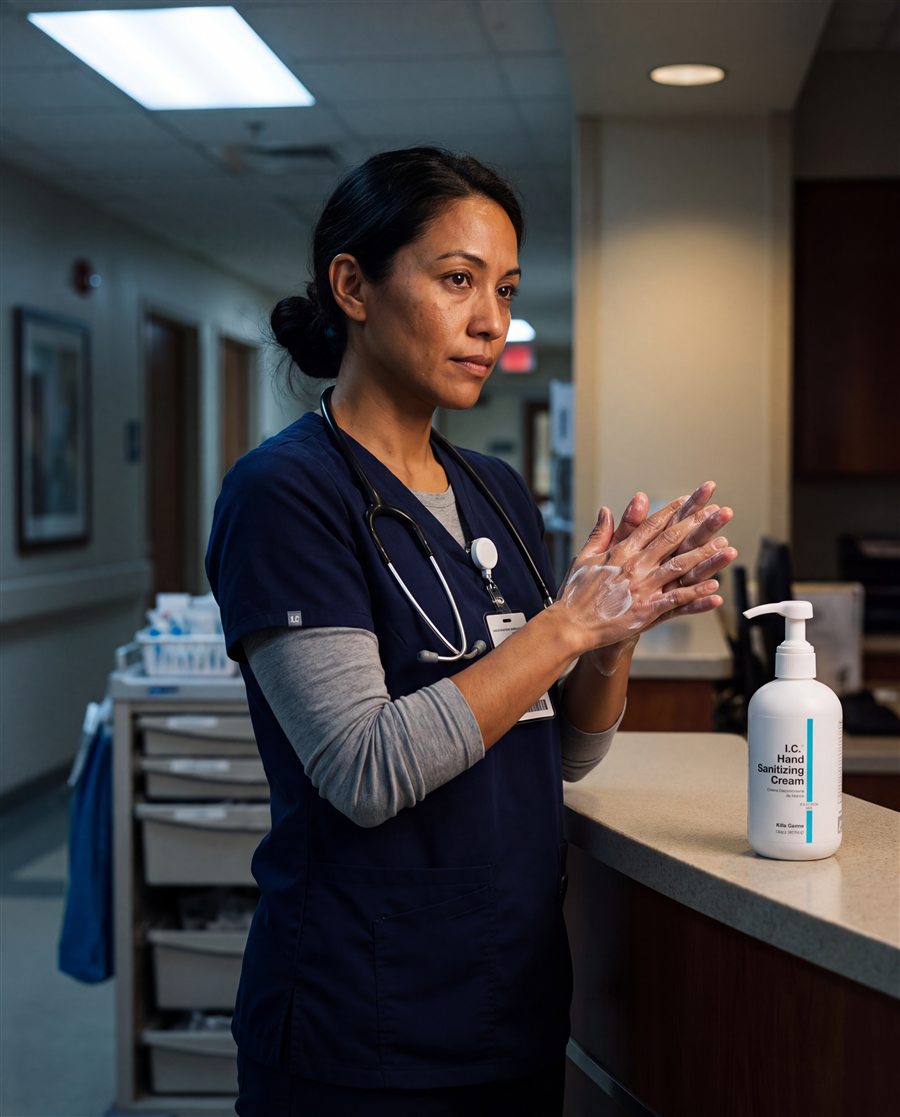
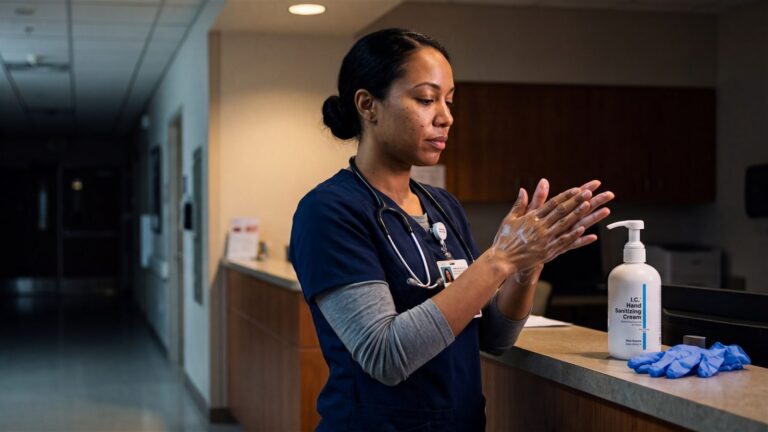
On the teacher’s desk: I.C. Hand Sanitizing Cream. It’s a hand sanitizer in a cream, alcohol-free and non-flammable, with dimethicone and shea butter to help hold moisture in. Teachers clean their hands dozens of times a day, and this one doesn’t leave them drier each time. It’s NSF E3 registered too.
At the sink: I.C. Antibacterial Hand Cleaner. For the times hands need a real wash, after recess, art or lunch, it’s an antibacterial soap that rinses clean.
Here’s the limit, and you should hear it from us. Our test data covers bacteria, so we don’t claim any of these products stops colds or the flu. Your school nurse decides what goes where in your building. In our experience, alcohol-free products earn their place in classrooms with young kids who put their hands in their mouths, in buildings where flammable storage is a problem, and in any hallway where a dispenser beats a walk to the sink.
Want to try it in your school? Request free samples for a classroom or a building, or book a free 20-minute in-service for your nurses and custodial staff (in person or by video call, whenever suits your schedule). Find a distributor or request samples.
Then walk your building at 11:30 on a Tuesday. Count the soap pumps that work and the dispensers kids can reach. That count is your cold and flu plan.
Related reading: Why Nurses’ Cracked Hands Show Up Every Winter, and How to Stop It
Sources